The Importance of Play in Child Development
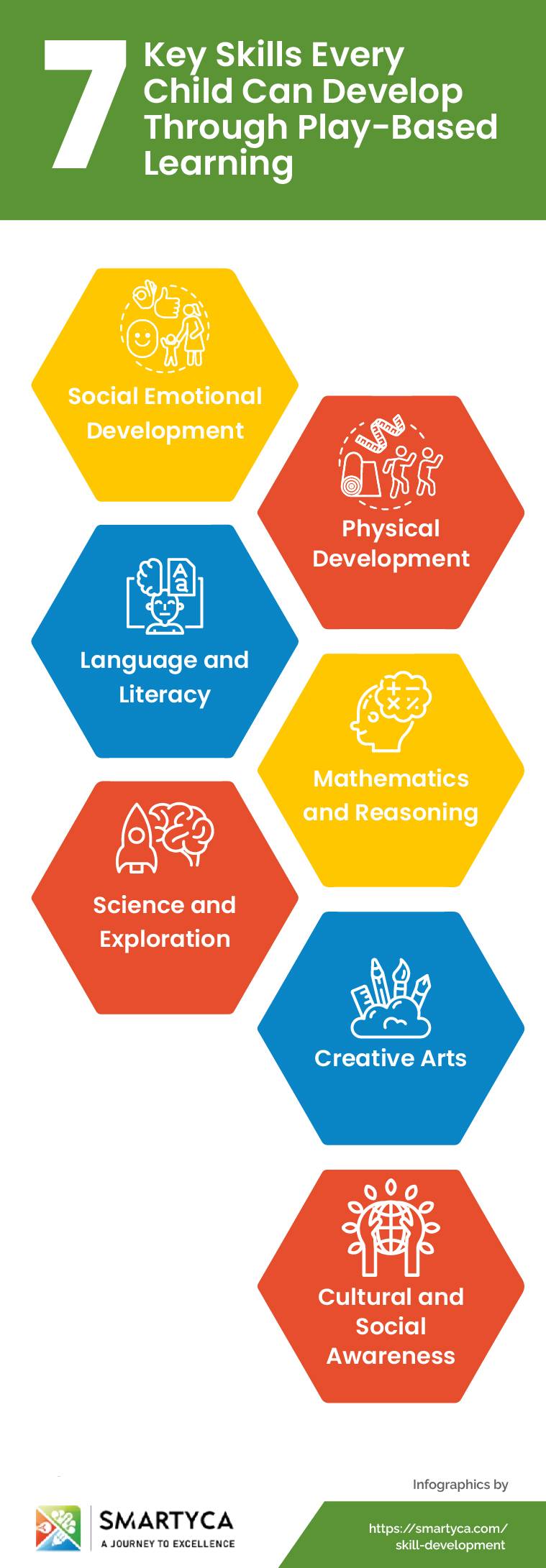
Play is not merely a pastime for children; it is a fundamental aspect of their development. Engaging in play allows children to explore their surroundings, understand relationships, and express their emotions in a safe environment. Through various forms of play, whether solitary or collaborative, they cultivate critical thinking and problem-solving abilities that serve them throughout life.
Moreover, play provides an avenue for self-discovery and creativity. By experimenting with different roles and scenarios, children learn about themselves and their capabilities. This exploration fosters resilience and adaptability, characteristics essential for navigating the complexities of the real world.
How Play-Based Learning Enhances Social Skills
Social skills are integral to a child’s overall development, and play-based learning significantly enhances these abilities. In interactive play scenarios, children learn how to communicate effectively, share resources, and negotiate roles within a group. These experiences help them understand social cues and develop empathy, which are crucial for building lasting relationships.
Additionally, play encourages teamwork and collaboration. When children engage in group activities, they face challenges that require collective problem-solving and cooperative strategies. As they learn to work together, they form bonds and friendships, which supports their emotional well-being and social competence.
Cognitive Benefits of Play-Based Learning
One of the most significant outcomes of play-based learning is its impact on cognitive development. During play, children encounter challenges that require critical thinking and decision-making. This active engagement stimulates their brains, promotes curiosity, and encourages a love for exploration and learning.
Moreover, play offers an opportunity for children to learn through trial and error. As they experiment with different solutions to problems encountered in their play, they develop persistence and a growth mindset. This approach to learning not only enhances their cognitive abilities but also prepares them for complex thinking in academic settings.
Emotional Development Through Play
Play serves as a valuable tool for emotional development in children. Through various play scenarios, children learn to identify and express their feelings, which is essential for emotional intelligence. They navigate complex emotions by role-playing and experimenting with different outcomes, gaining insight into their own reactions and those of others.
Physical Skills Developed Through Play
Physical development is another crucial aspect that benefits from play-based learning. Active play encourages the development of gross motor skills, such as running, jumping, and climbing, which are vital for overall health. Children improve their coordination, balance, and strength as they navigate different physical challenges inherent in various types of play.
Fostering Creativity and Imagination
Play-based learning is essential in fostering creativity and imagination among children. Unstructured play provides a platform for children to explore their ideas and express themselves freely. This freedom allows them to think outside the box, generating innovative solutions and concepts as they engage in imaginative play scenarios.