Understanding Nursery School Readiness
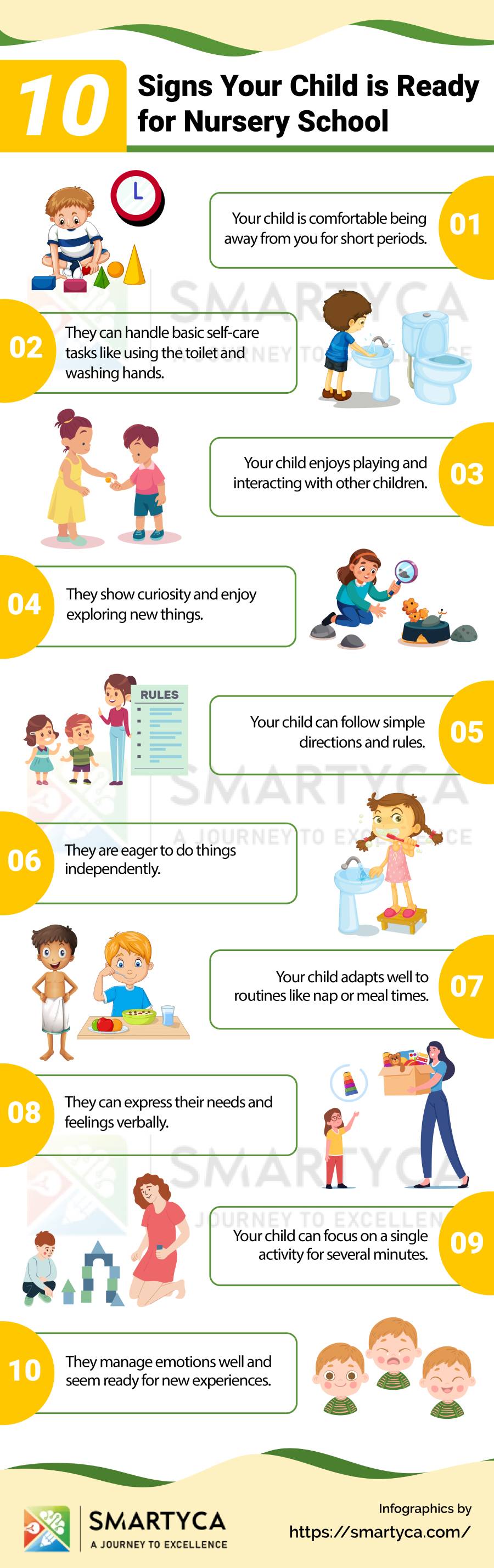
Determining whether a child is ready for nursery school involves looking at various developmental milestones. Readiness isn't solely based on age but also factors like social, emotional, and cognitive skills. Parents can ask themselves if their child exhibits curiosity about the world, the ability to follow simple instructions, and a willingness to interact with peers.
Emotional readiness is also crucial; children should be able to express their feelings and manage separations from caregivers. Parents can observe their child's behavior in social settings to gauge how comfortable they are in new environments. This understanding helps to create a supportive transition into nursery school that boosts confidence and adaptability.
Benefits of Nursery School for Young Learners
Nursery school provides several essential benefits that support a child's early development. Children gain exposure to structured learning environments which can enhance their academic skills before they start kindergarten. Additionally, the social interaction fosters essential soft skills, such as communication and collaboration, which are vital for lifelong learning.
Moreover, nursery schools often incorporate play-based learning strategies that make education enjoyable. This playful engagement allows children to explore and develop their creativity while learning fundamental concepts in a less formal environment. Overall, these benefits contribute to a well-rounded foundation for children as they prepare for future educational experiences.
What Parents Can Do to Prepare Their Child
Preparation for nursery school can be an engaging process for both parents and children. Parents should focus on helping their little ones develop independence, such as learning simple tasks like dressing themselves and using the toilet. Engaging children in creative play and stimulating conversations can also enhance their cognitive and language skills, setting them up for success in a classroom setting.
Moreover, parents should establish a routine that mimics what a school day might look like. This can include scheduled playtime, reading sessions, and designated snack times. Such consistency helps children adapt to structured learning environments, ensuring they feel more comfortable and confident when they begin nursery school.
Signs of Readiness: Social and Emotional Indicators
Recognizing social and emotional readiness is crucial when considering nursery school for your child. One key indicator is how well your child interacts with others in group settings; do they engage willingly with peers, or do they shy away? Children who are comfortable sharing and communicating with others often transition more smoothly into a nursery school environment.
Further, emotional indicators include a child's ability to express feelings constructively, such as saying "I'm sad" instead of resorting to tantrums. Parents should also look for signs that their children can manage minor separations, like playing happily when left with a trusted caregiver. These signs suggest a level of maturity that aligns well with the social dynamics of nursery school.
Academic Skills and Developmental Readiness
While social skills are essential, academic readiness is another critical aspect of a child's preparation for nursery school. Basic literacy skills, such as recognizing letters, and numbers, and being able to listen to stories, lay a foundation for future learning. Children ready for nursery school often show curiosity about books and enjoy engaging with educational activities that stimulate their minds.
Additionally, fine motor skills also play a significant role in academic readiness. Activities such as coloring, building with blocks, or simple puzzles can help develop coordination and dexterity, making it easier for children to participate in classroom tasks. By fostering these foundational academic skills at home, parents can significantly enhance their child’s confidence and readiness for nursery school.