Understanding Preschool Readiness
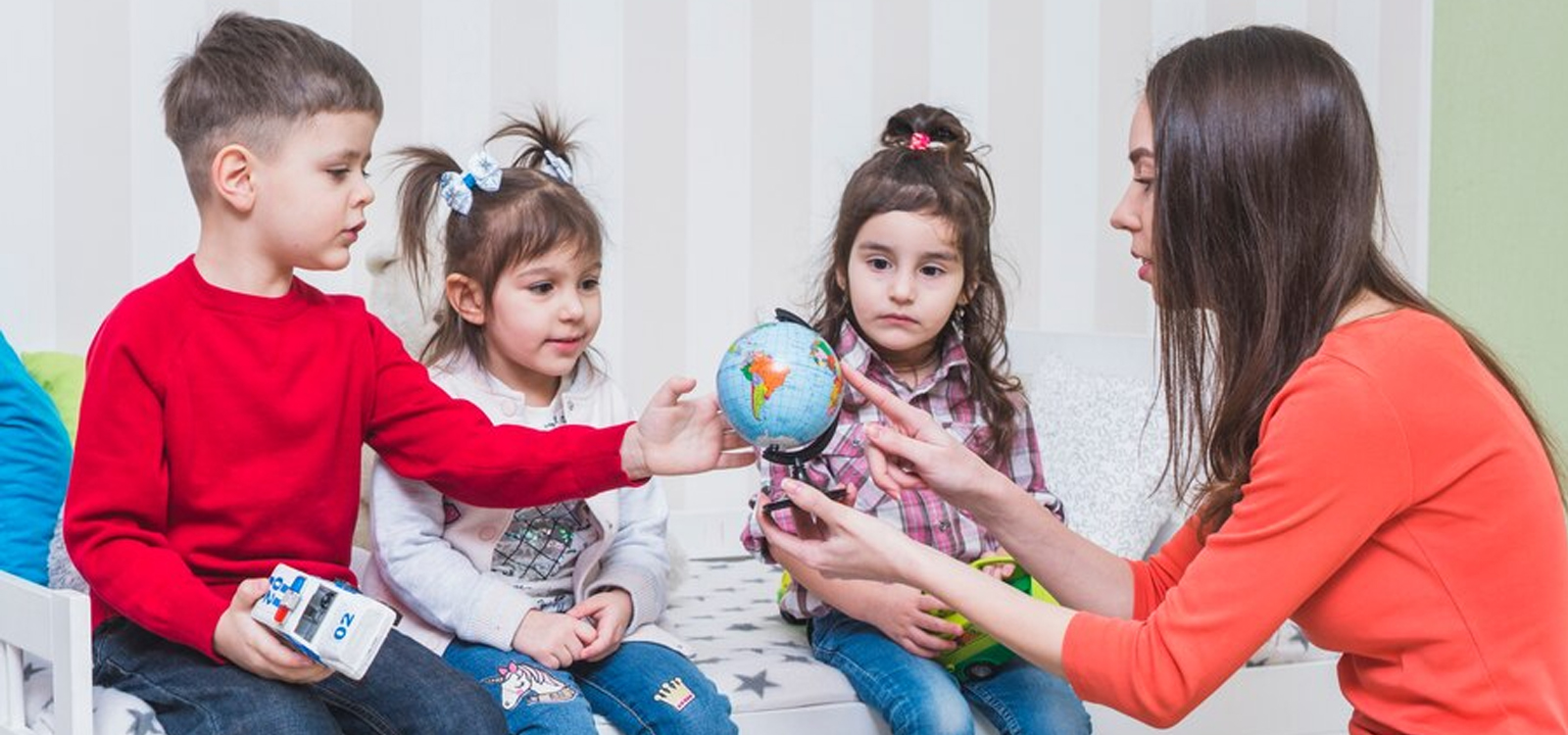
Determining if your child is ready for preschool involves assessing their emotional, social, and cognitive development. Emotional readiness includes how well they can express their feelings and cope with new situations, while social readiness focuses on their ability to interact with peers and adults. Cognitive development deals with skills such as problem-solving, language acquisition, and basic understanding of numbers and letters.
Parents can support their child's readiness by encouraging independence through simple tasks at home, such as dressing themselves or helping with meal preparations. Engaging in interactive play can enhance their social skills, allowing them to learn sharing and communication with other children. Additionally, exposing them to books and educational games helps to build essential cognitive skills that will be necessary for preschool learning environments.
Development of Social Skills
Social skills are crucial for preschoolers as they transition into larger group settings. During this early stage, children learn to navigate friendships, develop empathy, and understand social cues, all of which are significant for their overall development. Group activities, whether organized playdates or community gatherings, can enhance these skills by providing multiple opportunities to interact with peers.
Parents can further foster social skills by modeling positive interactions and discussing feelings, which help children identify and articulate their own emotions. Simple role-playing at home can also prepare kids for various social scenarios they will encounter in preschool. Encouraging teamwork in activities such as building blocks or playing games can instill the values of collaboration and patience in your child.
Preparing Academically for Preschool
While preschool is often play-based, it is important for children to have some basic academic skills to thrive. Familiarizing your child with the alphabet, basic counting, and name recognition can set a strong foundation for their education. Engaging them with age-appropriate puzzles and educational videos can also stimulate their learning before they enter a formal educational setting.
In addition to traditional academic skills, fostering a love for reading can greatly benefit your child's literacy development. Creating a cozy reading nook at home where you can read stories together helps build this love and opens up discussions about different subjects. Incorporating educational play into daily routines ensures that learning is not tedious but rather an enjoyable part of their lives, making the preschool experience much smoother.
Fostering Independence
Independence is a key component that supports a child's transition into preschool as it empowers them to tackle challenges and embrace new experiences. Parents can encourage independence by allowing their child to make simple choices, such as selecting their outfit or choosing between two snacks. This practice helps children build confidence in their decision-making abilities and prepares them for the structured environment of preschool.
Moreover, encouraging kids to take charge of basic tasks within the home, like cleaning up their toys or helping prepare meals, can foster a sense of responsibility. Discussing daily routines with them, including what to expect at preschool, can make these new environments feel less daunting. When children feel equipped to handle these tasks, they are more likely to approach their preschool experience with a positive attitude.
Addressing Separation Anxiety
Separation anxiety is a common phenomenon experienced by many children as they prepare to enter preschool. It is important for parents to acknowledge these feelings and work through them with empathy and understanding. Establishing a consistent goodbye routine can help ease the transition, providing reassurance that they will be reunited after school.
Parents can also practice short separations while remaining consistent in their return, which helps children gradually become accustomed to spending time apart. Engaging in conversations about what preschool will be like and reassuring them with positive experiences can further alleviate anxiety. Acknowledging their feelings while reinforcing their capabilities can instill a sense of security, making the first day of preschool much less intimidating.
Creating a Positive Learning Environment at Home
Creating a positive learning environment at home is essential for a child's development, particularly as they approach preschool. A dedicated space for reading, playing, and engaging in educational activities allows children to explore and learn at their own pace. Incorporating a variety of toys, books, and educational materials can enrich their experiences and create a stimulating atmosphere for learning.
Additionally, parents can foster a love for learning by being actively involved in their children's educational process. Asking open-ended questions during playtime or reading sessions encourages critical thinking and enhances their communication skills. Recognizing and celebrating small achievements boosts their confidence, reinforcing the enjoyment of learning and setting a solid foundation for future academic success.